🙏 Dandvat

A short information about Mahanubhava Pantha

Mahanubhava Pantha is a religious sect following the teachings of Panch Avatars of pantha. Mahanubhava Pantha originated during the late 12th century and from the Varhada region of Maharashtra. Pantha teaches how to connect the inner soul with the parmewshwara bhagti and attain moksha.

Pancha Avatars Of Mahanubhava Pantha | Dandvat

Sarvadnya Shree Chakradhar Swami told to his pantha that the lord takes avatars in all four Yugas (Krutayuga, Tretayuga, Dwaparyuga, Kaliyuga). Same was said by Shree Krishna in Shree Bhagavad Gita: “Dharma Sansthaapnaarthay Sambhavaami Yuge Yuge”. Accordingly, there is not a time in this world when avatar of prabhu is absent.

Brahmvidya Shastra, It is a collection of main vachans (sutras) of Swami Shree Chakardhara and presents the philosophical core of Mahanubhav Pantha. Very well planned and carefully organized into various sections, it is revered as our Shastra mop Parmeshwar (God in the form of scripture).

🙏 दंडवत प्रणाम
नमो पंच कृष्ण अवतार


🚩 Five incarnations of Mahanubhava Pantha

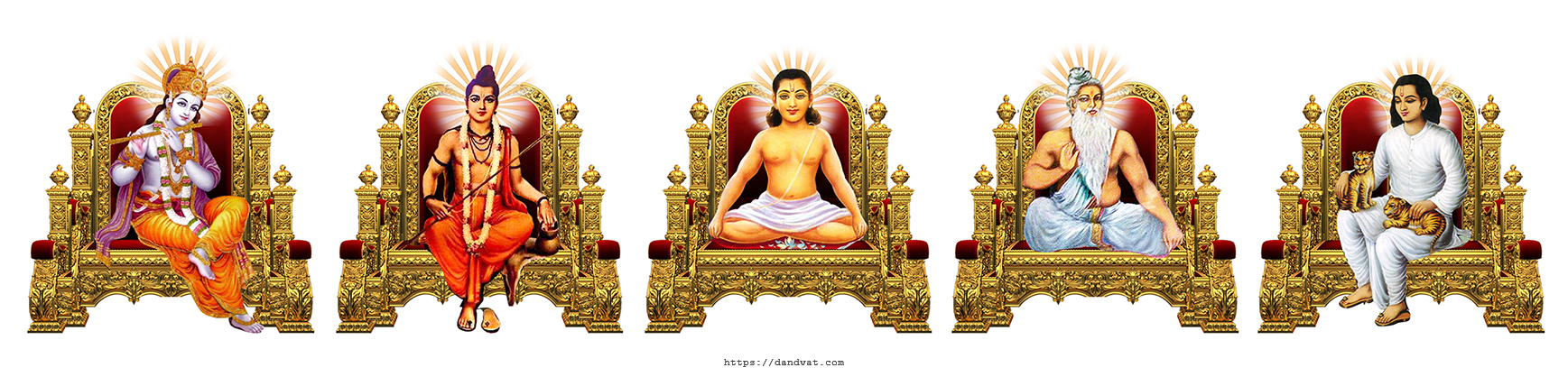
Mahanubhav Pantha started by Sarvadnya Shree Chakradhar Swami in 1267 and he is the 5th avatar. Earlier to Shree Chakradhar Swami there were 4 more avatars. We call them as Panch Krishna Avatars.

Pancha Avatars Of Mahanubhava Pantha | Dandvat

Shri Chakradhar Swami propagated a religious movement, as well as social movement, in which all members were accepted irrespective of their castes, and the traditional ritualistic religion was rejected. Some sources list the founder of Mahanubhava as Govinda Prabhu and Chakradhara as its first “apostle”.

Mahanubhava Pantha teaches that Krishna is the only God in Universe.

Sarvadnya Shree Chakradhar Swami told to his pantha that the lord takes avatars in all four Yugas (Krutayuga, Tretayuga, Dwaparyuga, Kaliyuga). Same was said by Shree Krishna in Shree Bhagavad Gita: “Dharma Sansthaapnaarthay Sambhavaami Yuge Yuge”. Accordingly, there is not a time in this world when avatar of prabhu is absent.

🙏 दंडवत प्रणाम
नमो पंच कृष्ण अवतार


🌸 Namo Panch Krishna Avatar

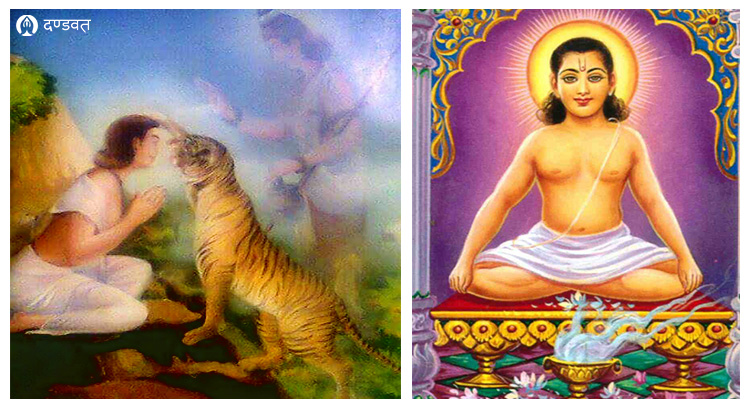
There were only five, because these avatars fell in the Guru Parampara. Govindaprabhu was the guru of Shree Chakradhar Swami. Shree Chakrapani Prabhu was the guru of Shree Govindaprabhu. Shree Dattatreya Prabhu was the guru of Shree Chakrapani Prabhu. Shree Dattatreya Prabhu and Shree Krishna are not said to have another avatar as Guru.

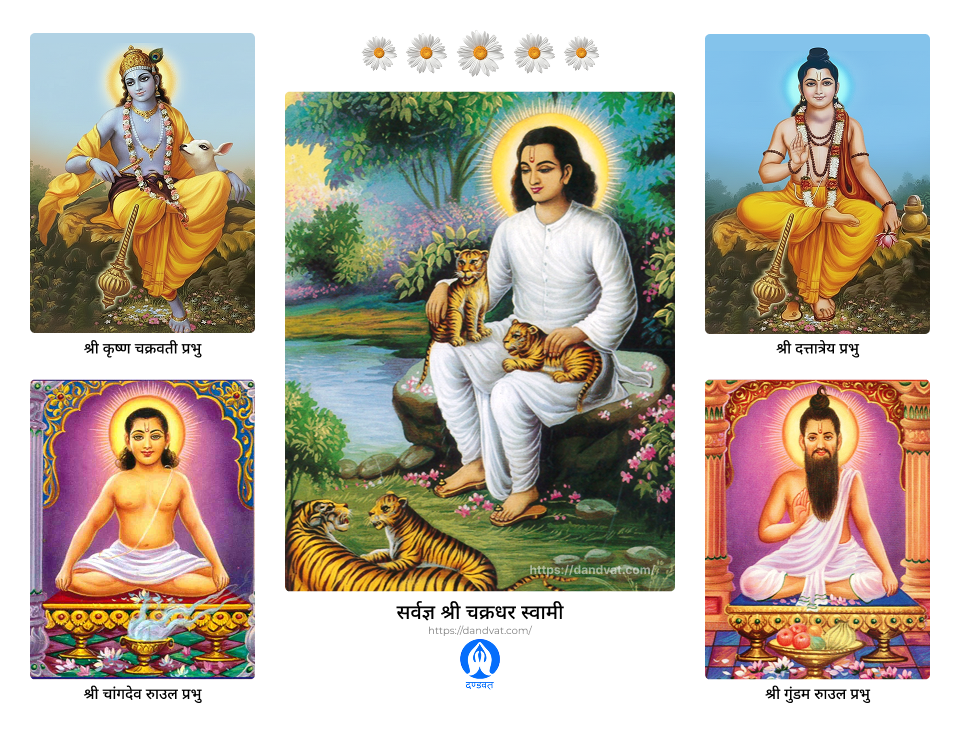
The Five incarnations of God knows as Pancha Krishna or Five Krishnas or Namo Panch Krishna Avatar:


Please follow our channel - @dandvat

Namo Panch Krishna Avatar

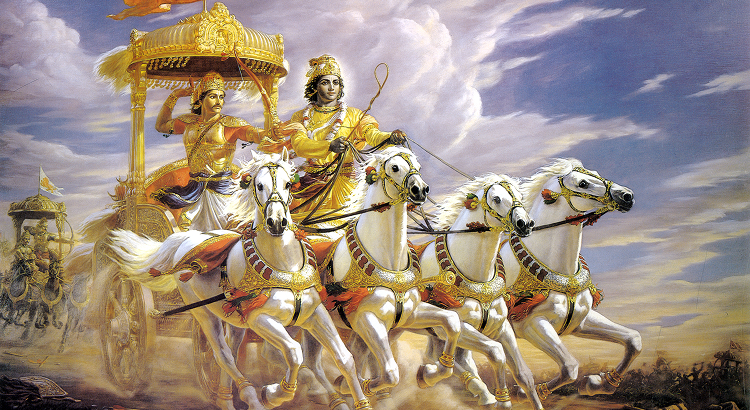
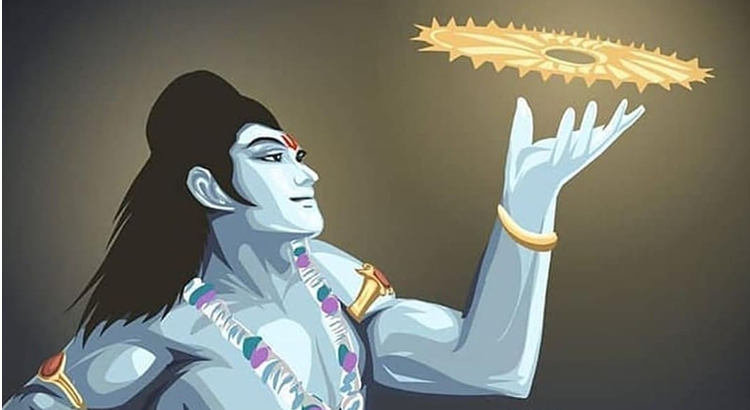
  1. Shree Krishna Chakravarti Prabhu (Dwaraka Gujarat, Mathura Uttar Pradesh) - 📰 read more
  2. Shree Dattatreya Prabhu (Badrikashram Uttarakhand) - 📰 read more
  3. Shree Changdeva Raul Prabhu (Phalatan Maharashtra) - 📰 read more
  4. Shree Gundam Raul Prabhu (Riddhapur-Amravati Maharashtra) - 📰 read more
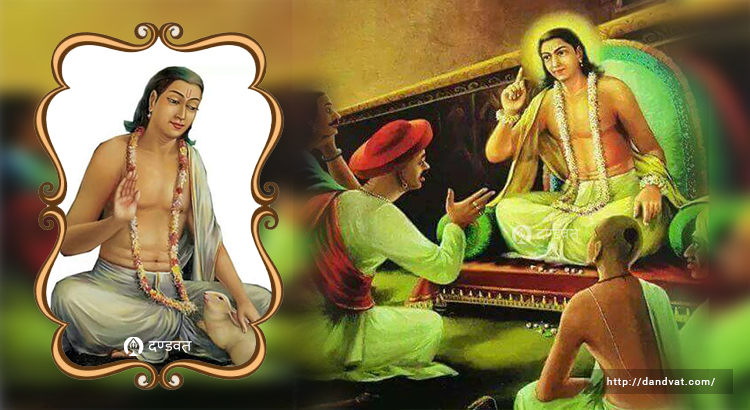
  5. Sarvadnya Shree Chakradhar Swami (Bharuch Gujarat) - 📰 read more

There were only five, because these avatars fell in the Guru Parampara. Govindaprabhu was the guru of Shree Chakradhar Swami. Shree Chakrapani Prabhu was the guru of Shree Govindaprabhu. Shree Dattatreya Prabhu was the guru of Shree Chakrapani Prabhu. Shree Dattatreya Prabhu and Shree Krishna are not said to have another avatar as Guru.

🙏 दंडवत प्रणाम
नमो पंच कृष्ण अवतार


📅 Festivals

नमो पंच कृष्ण अवतार - Here are the important festivals & dates related to Mahanubhava Pantha.

Ashadha Purnima
Utsav

आषाढ शुद्ध
अर्थात पौर्णिमा
28 July, 2026
(Tuesday)

Pavita Parav
Utsav

श्री प्रभु बाबा जी
को पविते समर्पण
26 August, 2026
(Wednesday)

Shree Krishan Prabhu
Janmashtami

श्री कृष्ण प्रभु जन्मोत्सव
कृष्णाष्टमी / जन्माष्टमी
4 September, 2026
(Friday)

Shree Chakradhar Swami
Avtar Divas

श्री चक्रधर स्वामी जी
का अवतार दिवस
13 September, 2026
(Sunday)

Shree Govind Prabhu
Avtar Divas

श्री गोविन्द प्रभु जी
का अवतार दिवस
24 September, 2026
(Thursday)

Shardiya Navratri
Start

शारदीय नवरात्र
आरंभ - घट स्थापना
11 October, 2026
(Sunday)

Vijaya Dashami
Festival

नवरात्र समाप्त
विजयादशमी (दशहरा)
20 October, 2026
(Tuesday)

Sharad Purnima
Festival

कोजागरी पौर्णिमा
(शरद पौर्णिमा)
26 October, 2026
(Monday)

Shree Chakarpani Prabhu
Avtar Divas

श्री चक्रपाणी प्रभु जी
का अवतार दिवस
3 November, 2026
(Monday)

Deepawali
Festival

महानुभाव पंथ के अनुसार
दीपावली का आयोजन
8 November, 2026
(Sunday)

Govardhan
Puja

महानुभाव पंथ के अनुसार
गोवर्धन पूजन
10 November, 2026
(Tuesday)

Shree Geeta
Jayanti

श्रीमद् भगवद्गीता के अवतरण
का शुभ दिन है
20 December, 2026
(Sunday)

Shree Dattatreya Prabhu
Jayanti

श्री दत्तात्रेय प्रभु जी
का अवतार दिवस
23 December, 2026
(Wednesday)

📰 Blogs

नमो पंच कृष्ण अवतार - Read the blogs of Mahanubhava Pantha. Go to Blogs

Past and Present - perceptions of mind: Bhagvad Gita, Chapter V, Verses 14

Past and Present - perceptions of...

🙏 Dandvat Pranam 🙏

Question : Did Lord Krishna say anything about?
Why do we take birth, if we have to die later?
That is a million dollar question, without any clear cut logical answer.

1. Only thing Lord Krishna said is that people take birth due to their past karmic debts incurred during their last birth (incarnation).
2. Each of us are responsible for our birth. God has nothing to do with that.
3. We continue this cycles of birth and death, until we exhaust all our karmic debt and then we attain salvation.
4. Lord Krishna said: God does not decide what each person should do, nor he induce people to act, nor does he create fruits of any action.

Each person acts according to his/her Vasanas (Past and present perceptions of mind)

Source: Bhagavad Gita, Chapter V, Verses 14.

🙏 जय श्री कृष्ण जी 🙏
Read more
Twenty Four Gurus of Lord Shree Dattatreya - Avadhoot Prabhu

Twenty Four Gurus of Lord Shree D...

🙏 Dandvat Pranam 🙏

Lord Shree Dattatreya said
I have taken shelter of twenty-four gurus, who are the following: the earth, air, sky, water, fire, moon, sun, pigeon and python; the sea, moth, honeybee, elephant and honey thief; the deer, the fish, the dancing girl Pingala, the kurari bird and the child; the young girl, arrow maker, serpent, spider and wasp…
Srimad Bhagavatam: Canto 11: Chapter 7: Slokas 33~35
1. Prithvi (Earth) One should acquire the virtues of endurance and tolerance of duality from the earth. The Earth teaches course of Dharma, art of Tolerance, art of Performing Duty.
2. Vaayu (Air) One should be detached like the wind. The Wind being pure and odourless in its characteristics, move freely among all objects and yet remain unaffected. Calm and ever flowing without any fear.
3. Aakash (Sky) Just like the sky one should be single and steady. Like sky, the Soul is omnipresent, all-pervading, and infinite in nature.
4. Jall (Water) Just like water one should behave with affection towards all. Never be partial to anyone. The sage is like water because he is free from all impurities, gentle in nature and while speaking he creates a beautiful vibration like the flowing of water.
5. Agni (Fire) Like the fire one should behave with equality towards all. The sage's glory is like the fire, is made brighter by austerities, his knowledge and tapas; having no vessel other than his stomach.
6. Chandar (Moon) There are in all sixteen phases of the moon including the subtle phase of the new moon and the fifteen of the fortnight. Though there is waxing and waning of the moon, it remains unaffected by them. Sage should not be affected by the continual change of body from birth to death including diseases and old age.
7. Surya (Sun) The sun stores water taking the future into account and benevolently showers it on the earth at the appropriate moment. Similarly the sage can accept material things with his senses, but at the appropriate time he should give these things back, as an act from sense of duty. Without getting attached to material sense objects.
8. Kabootar (Pigeon) Like pigeon story warns against developing obsessive love or attachments in the transient material world. The sage would refrain from attachment after attaining the human body, which is the open door to Mukti (Moksha, Liberation), a door to God-Realization.
9. Ajgar (Python) Ajgar eats whatever comes in its way and satisfy, whether it is sufficient or not, bitter or sweet etc. A sage always goes for search of wisdom and refrains from running after unwanted pleasures.
10. Samudra (Ocean) One should not let anyone perceive one's virtues just as the sea keeps its length, breadth, depth and the treasures in its bed hidden from everyone. However one should always utilise them favourably, for the sake of others. The life of sage remains balanced; the joys of life do not excite him, nor do sorrows depress him. The wise sage never transgresses the highest standards of morality.
11. Patanga (Moth) Similarly a foolish man is enticed by the illusory pleasures of the visual senses and thus gets caught in the ceaseless cycles of birth and death. Man must try to control the sense of sight (and all other senses) and to try to avoid being greedy.
12. Madhu Mskhee (Honey Collector) Just as the one who collects the honey acquires it effortlessly so also a male seeker should partake of food cooked in the home of a householder instead of spending time in making a fire, collecting utensils, firewood, etc. Thus learning that accumulation of wealth leads to sudden death like the honey bee, one should stop amassing wealth.
13. Haathi (Elephant) Men allured by adulterous women are destroyed in the same way as elephants overcome with lust die fighting amongst themselves.
14. Mdhumakkhee (Bumble Bee) Just as the bumble-bee savours the fragrance of several sunflowers instead of one so also seekers desirous of Liberation should realise that every science will not be easy to grasp and hence should try to understand their implied meaning.
15. Hiran (Musk Deer) The deer is very fond of music and is very much attracted by it. The deer is trapped by hunter through its love for music. Hunter employs music to lure the deer before hunting it. A renounced person should never become attracted by mundane sounds like sensuous music, specially the sweet singing and dancing of girl.
16. Machli (Fish) When a fish-hook fastened with bait is thrown into the water, the fish lured by the bait swallows the hook and gets caught. Thus it loses its life. So one should never lose sight of his True Self.
17. Pingala (A Dancing Girl) One night despite a long wait not a single client approached her. As she restlessly waited pacing up and down, hoping for a client she was finally bored and suddenly developed detachment. The abandonment of expectation from people, leads to contentment and infinite joy.
18. Pakshee (Lapwing) Seeing the lapwing fly with a fish in its beak hundreds of crows and eagles began chasing it, pecking at it and tried to snatch the fish, thus harassing it. This flock began following it wherever it went. In this world there is peace only if sense objects are rejected, otherwise it leads to great distress.
19. Balak (Child) Live like being child at heart, innocent, care free and full of Supreme Joy.
20. Churiyaan (Bangles) When two bangles strike each other a jingling sound is generated. The more the bangles the greater is the sound. Similarly when two persons live together it leads to conversation and when many persons live together there is strife. In both circumstances there is no peace of mind. Hence those doing meditation, yoga, etc. should search for an isolated place and live there in seclusion.
21. Shilpkar (Artisan) One day an artisan was chiselling the blade of an arrow with great concentration. A king's procession to the accompaniment of music passed by that way. A man arriving later approached the artisan and enquired, “Have you seen the king's procession passing by this way, just now?” The artisan replied, “I was so engrossesd in my work that I was not aware of anything”. Just like this artisan a seeker desirous of Liberation (mumukshu) should meditate surrendering all his sense organs to The Lord.
22. Saanp (Snake) The snake lives alone and avoids the company of other creatures. In order to seek Self-Realization, one should abide in the cave of his own heart. The snake leaves of its old skin after sometime, and gets the newer one; that make resemblance with phenomenon of death. A true sage never frightened by the death, knowing sooner or later he will get a new life based on his karmic actions.
23. Makadi (Spider) The spider spins a web secreting a fluid from its belly and plays in it day and night. When it feels like it, it swallows the entire web and becomes free again. Lord Supreme creates material universe from His Maya, preserves it and after a while draws it back into the Self. The Supreme Self has no desires and is beyond the reach of cause and effect.
24. Bhringee Keet (Caterpillar, Wasp) The wasp catches hold of a worm (caterpillar), put it in its hive (nest), gives it a sting and goes on buzzing about it. The caterpillar is so frightened by this whole ongoing process of buzzing. As a man thinks, so he becomes. Even at the time of death, whatever one's mind focused on, one attains the same living species form in his next life.
Thus one must try to give up all attachment to the body and attain Moksha or liberation.
Shree Dattatreya explains what he has learned from his own body as a Guru My Body teaches me Gyaan (knowledge) and Vairaagya (detachment). Birth and death are along with it. It means that if we hold on to this body then we have to bear sorrows. Although it helps to think about Tattwa (elements) still I never consider it mine.

🙏 जय श्री कृष्ण जी 🙏
Read more
Why we serve 56 types of cuisines to Lord Shree Krishna

Why we serve 56 types of cuisines...

🙏 Dandvat Pranam 🙏

Why we serve 56 types of cuisines to Lord Shree Krishna.
Great glory is behind this. For these 56 types of cuisines, the fifty-six is called enjoyment. The enjoyment starts with yoghurt dumplings, rice, whole, papad and this ends with the last element of bhog as cardamom. It is also said that Maiya Yashoda Ji use to serve eight times food in a day to the Bala Krishna. Here is the story of the 56 type of cuisines bhog or 56 bhog.

To protect the Govardhana parvat from the wrath of Indra, Lord Shree Krishna lifted up the Govardhana for the seven consecutive days without the food and water. Shree Krishna just stood beneath the Parvat and all the people of the village are under the parvat. On eight day, when Lord Shree Krishna said, rain is over now you can go outside. All the people of the village are feeling sad for the thing that Bal Krishna survived for the 7 days without any food for the sake of villages. They are speechless and overwhelmed with the feeling towards Bala Krishna. Then the Maiya Yasodha and the villagers just decided to make happy Lord Krishna with the 56 bhogs and show their love to the lord.

The logic behind the 56 bhog is:
7 Days and 8 times food serving in a day (7 day X 8 times bhog = 56 bhog)
According to Shrimad Bhagwat Githa, Gopikaon does not only dawn to bathe in the Yamuna, even they desired to receive the husband like the Nand Kumar Bala Krishna. Lord Krishna consented to the fulfillment of their wishes. To mark the end of fasting and wishes to complete, the served the Lord with 56 bhog.
There are 6 bhog and 56 Sakhian enjoyment… It is also said that Lord Krishna and Radhika are living on a sacred lotus in Gulok. Behind the speciality of rose, there is a fact also. The first layer consists of three layers of lotus “eight”, the second in “sixteen” and third in “thirty-two petals”. On the each petal there is a Sakhi residing and in the middle of these petals lord is residing. Thus the total number of petals is 56. This is the meaning of the number 56.

These 56 types of cuisines to Lord Shree Krishna are as below:
1. भक्त (भात) 2. सूप (दाल) 3. प्रलेह (चटनी) 4. सदिका (कढ़ी)
5. दधिशाकजा (दही शाक की कढ़ी) 6. सिखरिणी (सिखरन) 7. अवलेह (शरबत) 8. बालका (बाटी)
9. इक्षु खेरिणी (मुरब्बा) 10. त्रिकोण (शर्करा युक्त) 11. बटक (बड़ा) 12. मधु शीर्षक (मठरी)
13. फेणिका (फेनी) 14. परिष्टïश्च (पूरी) 15. शतपत्र (खजला) 16. सधिद्रक (घेवर)
17. चक्राम (मालपुआ) 18. चिल्डिका (चोला) 19. सुधाकुंडलिका (जलेबी) 20. धृतपूर (मेसू)
21. वायुपूर (रसगुल्ला) 22. चन्द्रकला (पगी हुई) 23. दधि (महारायता) 24. स्थूली (थूली)
25. कर्पूरनाड़ी (लौंगपूरी) 26. खंड मंडल (खुरमा) 27. गोधूम (दलिया) 28. परिखा
29. सुफलाढय़ा (सौंफ युक्त) 30. दधिरूप (बिलसारू) 31. मोदक (लड्डू) 32. शाक (साग)
33. सौधान (अधानौ अचार) 34. मंडका (मोठ) 35. पायस (खीर) 36. दधि (दही)
37. गोघृत 38. हैयंगपीनम (मक्खन) 39. मंडूरी (मलाई) 40. कूपिका (रबड़ी)
41. पर्पट (पापड़) 42. शक्तिका (सीरा) 43. लसिका (लस्सी) 44. सुवत
45. संघाय (मोहन) 45. संघाय (मोहन) 47. सिता (इलायची) 48. फल
49. तांबूल 50. मोहन भोग 51. लवण 52. कषाय
53. मधुर 54. तिक्त 55. कटु 56. अम्ल


🙏 जय श्री कृष्ण जी 🙏
Read more
Kaliya The poisonous Naga living in the Yamuna River

Kaliya The poisonous Naga living ...

🙏 Dandvat Pranam 🙏

Kaliya was the name of a poisonous Naga living in the Yamuna River, in Vrindavan. The water of the Yamuna for four leagues all around him boiled and bubbled with poison. No bird or beast could go near, and only one solitary Kadamba tree grew on the river bank.
The proper home of Kaliya was Ramanaka Dwipa, but he had been driven away from there by fear of Garuda, the foe of all serpents. Garuda had been cursed by a yogi dwelling at Vrindavan so that he could not come to Vrindavan without meeting his death. Therefore Kaliya chose Vrindavan as his residence, knowing it was the only place where Garuda could not come.
Once Krishna and herdboys were playing ball, and while playing Krishna climbed up the Kadamba tree and hung over the river bank, the ball fell into the river and Krishna jumped after it. Kaliya rose up with his hundred and ten hoods vomiting poison and wrapped himself around Krishna's body. Krishna became so huge that Kaliya had to release him. So Krishna saved himself from every attack, and when he saw the Brij folk were so much afraid he suddenly sprang into Kaliya's head and assumed the weight of the whole universe, and danced on the naga's heads, beating time with his feet. Then Kaliya began to die. But then the naga's wives came and prayed to Krishna with joined palms, worshiping Krishna and praying for their husband.

🙏 जय श्री कृष्ण जी 🙏
Read more
Vāsudeva Shree Krishna - The Supreme God

Vāsudeva Shree Krishna - The Supr...

🙏 Dandvat Pranam 🙏

Krishna, the meaning of the word in Sanskrit is all-attractive.
He is the Supreme Personality of Godhead, also called as God of gods. In other words, Krishna is the Godhead because He is all-attractive.
From practical experience we can observe that one is attractive due to:

(1) Wealth: Ownership and control over all.
He is Laksmi-pati (the husband of the Goddess of Fortune). All material and spiritual energies belong to Him.

(2) Power: The strength to create, maintain, and dissolve.
Demonstrated through feats like lifting Govardhan Hill or maintaining the orbits of countless planets through His energies.

(3) Fame: Being known and celebrated across time and space.
His pastimes (Lilas) are sung in every corner of the world, and His influence spans across millennia without fading.

(4) Beauty: Physical and spiritual charm that draws the heart.
Described as Kandarpa-koti-kamaniya—His beauty exceeds that of millions of Cupids, attracting even the most stoic minds.

(5) Wisdom: Complete knowledge of the past, present, and future.
Best exemplified by the Bhagavad Gita, a concise yet infinite philosophical treatise that remains the ultimate guide for humanity.

(6) Renunciation: The ability to be detached despite possessing everything.
Though He is the creator of the universe, He remains unaffected and detached, often playing the role of a simple cowherd boy.

One who is in possession of all six of these opulences at the same time and who possesses them to an unlimited degree is understood to be the Supreme Personality of Godhead according to Parasara Muni a great Vedic authority.

Krishna is the principal protagonist with Arjuna in the Bhagavad Gita also known as the Song of God, which depicts the conversation between the Royal Prince Arjuna and Krishna during the great battle of Kurukshetra 5000 years ago where Arjuna discovers that Krishna is God and then comprehends his nature and will for him and for mankind. In the present age Krishna is one of the most widely revered and most popular of all Indian divinities.

🙏 जय श्री कृष्ण जी 🙏
Read more
Shree Dattatreya: My bliss and contentment are the fruits of self-realization

Shree Dattatreya: My bliss and co...

🙏 Dandvat Pranam 🙏

Soul alone is my Guru.Once King Yadu saw Lord Dattatreya (Avadhoot) wandering in a forest happily, free from worries. The king with humbleness asked the sage, about the secret of his happiness and the name of his Guru. Further said to sage, that despite you look capable and wise, why do you live in the forest. Even though you have no family, nor any loved one, how could you be so blissful and self-contented?

To answer the Yadu’s enquired queries, the Lord Dattatreya (Avadhoot, one who have given up all worldly desires) replied:
My bliss and contentment are the fruits of self-realization. Soul (Aatmaa) alone is my Guru, yet I have gained the necessary wisdom from the whole creation, via 24 individual who were therefore my Gurus. I shall elaborate the same for you.

Further Lord Dattatreya said: I have taken shelter of twenty-four gurus, who are the following: the earth, air, sky, water, fire, moon, sun, pigeon and python; the sea, moth, honeybee, elephant and honey thief; the deer, the fish, the dancing girl Pingala, the kurari bird and the child; the young girl, arrow maker, serpent, spider and wasp.

Further Lord Dattatreya explains what he has learned from his own body. My Body teaches me Gyaan (knowledge) and Vairaagya (detachment). Birth and death are along with it. It means that if we hold on to this body then we have to bear sorrows. Although it helps to think about Tattwa (elements) still I never consider it mine.

🙏 जय श्री कृष्ण जी 🙏
Read more

💌 Leelas

नमो पंच कृष्ण अवतार - Read the leelas of Mahanubhava Pantha. Go to Leelas

श्री दत्तात्रेय प्रभुंचे १० वेष

🙏 दंडवत प्रणाम 🙏

श्री दत्तात्रेय प्रभुंचे १० वेष:
१) रूषी वेष
२) बाल वेष
३) मातंग वेष
४) ब्राम्हण वेष
५) गोंधळी वेष
६) कुष्टी वेष
७) व्याघ्र वेष
८) अवधुत वेष
९) पारधी वेष
१०) दिगंबर वेष

शकोणत्या वेषाने कोणाला भेट दिली:
१) रूषी वेष – सहस्त्रार्जुन
२) बालवेष – अनुसूया , पार्वती , लक्ष्मी ,सावित्री
३) मातंग वेष – अर्ळक राजा
४) ब्राह्मण वेष – रेणुकेचा निक्षेप करते वेळेसपरशुरामाला
५) गोंधळी वेष- डखले , चांगदेवभट
६) कुष्टी वेष – सप्त रूषी
७) व्याघ्र वेष – चक्रपाणि महाराज
८) अवधुत वेष – यदुराजा , मदाळसाराणी
९) पारधी वेष – परशुराम
१०) दिगंबर वेष – शंकराचार्य

🙏 जय श्री कृष्ण 🙏
Read more

नृत्य देखना

🙏 दंडवत प्रणाम 🙏

जय श्री चक्रधर स्वामी जी
एक दिन भगवान श्रीचक्रधर स्वामीजी चांगदेव मंदिरके पिछले हिस्सेमें बैठे थे। उतनेमें एक नर्तक मंडली वहाँ नृत्य करने आ पहुँची। उनमेंसे एक स्त्री वस्त्र बदलने जब मंदिरके पीछे आयी, तो उसने वहाँ भगवानको विराजमान देखा। वह भगवानके असीम सौंदर्यपर मनोमुग्ध हो आत्मविस्मृत-सी हुई निर्निमेष दृष्टिसे उनकी ओर टुकुरटुकुर ताकती रही। जब काफी देर बाद भी वह वापस न आयी, तो दूसरे नर्तक भी उसे खोजते खोजते वहाँ जमा हो गये और भगवानके देदीप्यमान सौंदर्यको देख अपनी सुधबुध खो बैठे। उनको अपने पास एकत्रित हुआ देख भगवानने उनसे कहा, 'आप सब अंदर चलकर नृत्यकी तैयारी करो, हम वहीं आते हैं।'
भगवानके इन शब्दोंसे उनकी तंद्रा टूटी, तो उन्होंने अपनेआपको विमोहितसा पाया। उनकी आज्ञानुसार वे सब मंदिर में जाकर नृत्यकी तैयारीमें लग गये। थोड़ी देर बाद भगवान भी मंदिरमें जा पहुँचे। सबने भगवानको अपनीअपनी कला दिखायी। भगवानने सबकी कलाकी भूरिभूरि प्रशंसा की तथा उन्हें प्रसाद रूप में पान खिलाये। जानेसे पूर्व उन्होंने कहा, 'महाराज, आपकी श्रीमुर्तिके दर्शनसे हमें बड़ा आनंद प्राप्त हुआ है। ऐसा आनंद, जिसको हम शब्दोंमें व्यक्त नहीं कर सकते। आजकल तो कलाका कोई सच्चा पारखी है ही नहीं। आपने हमें जो प्रोत्साहन दिया है, उससे भी हमें बड़ा बल मिला है।'
एक दूसरी नर्तकीने आगे बढ़कर प्रार्थना की, 'महाराज, यदि आपको कष्ट न हो, तो भोजन करने आप हमारे यहाँ ही चलें।'
प्रत्युत्तरमें भगवानने कहा, 'हमें आज कहीं अन्यत्र आमंत्रण है, इसलिये तुम्हारे साथ नहीं चल सकते। हाँ, फिर कभी तुम्हारे अनुरोधको हम जरूर पूर्ण करेंगे।'
सबके चले जानेपर भगवान भी अपने निवास स्थानपर लौट आये।
।। श्रीचक्रधरार्पणम् ।।

🙏 जय श्री कृष्ण जी 🙏
Read more

श्री गोविन्द प्रभु महाराज जी के द...

🙏 दंडवत प्रणाम 🙏

गोविन्द प्रभु भगवान जी के अवतारोत्सव पर हम जितने पदार्थ बनने में सक्षम है उतने पदार्थ बना का प्रभु जी को को भोग लगाना चाहिए।
1 - लाख की भाकर, गुड़ की रोटियां, दलिया
2 - दही दूध और माखन, श्री खंड, गुलाब जामुन
3- पकोड़े (बुड़ुदे), धिडरे (बेसन से बना हुआ पुडा), काजू
4 - गुड़, गुड़ और भुने चने, कच्चे ज्वार के दाने
5 - देसी घी, मक्खन, गुड़ और देसी घी से बनी सेवइयां
6 - मीठी ककड़ी, दही भल्ले, खीर
7 - बैंगन की सब्जी, साग
8 - तरबूज, बेर, संतरे, आम का रस
9 - आउसा जी का प्रसिद्ध हलवा

इत्यादि पदार्थ भगवान जी को अच्छे लगते थे।

🙏 जय श्री कृष्ण 🙏
Read more

उत्तरार्ध लीला क्रमांक 205 | लीला...

🙏 दंडवत प्रणाम 🙏

जय श्री चक्रधर स्वामी जी
फिर किसी दिन रात का पूजा अवसर हो जाने के बाद भगवान जी आंगन में शत्पदी करते हुए चांदनी रात की तरफ इशारा करने लगे! भगवान जी की इच्छा थी कि कहीं बाहर घूमने के लिए निकला जाए! बाईसा माताजी जी को कह कर तैयारी करवाई गई! भगवान जी की सवारी के लिए सभी भक्तजन तैयार थे किंतु उनमें से नागदेव जी को घोड़ा बनने के लिए महाराज ने तैयार किया! भगवान जी ने अपने रेशमी वस्त्र को दोनों तरफ से बांध लिया और कमर के पीछे कर राजा की भांति सवार हो गए! सभी के हाथों में लाठी थी! नागदेव जी को भगवान जी ने स्थिति सुख दिया जिसके प्रभाव से वे घोड़े की तरह हिनहिनाते हुए तेज गति से चलने लगे! छिनस्थली गुफा में आकर भगवान जी रुके और भक्तजनों ने अपनी लाठी की मशाल से आरती जलाई! सुंदर पूजा अर्चना कर भगवान जी के लिए आसन बनाया गया! सिंदोले गव्हाण गांव से दूध लाकर भक्तजनों ने भगवान जी को दूध चावल का भोजन करवाया! फिर स्वामी जी ने सभी भक्तों को प्रसाद दिया और वापिस राजमठ लौट आए!

बोलिए श्री चक्रधर स्वामी जी की जय
।। श्रीचक्रधरार्पणम् ।।

🙏 जय श्री कृष्ण जी 🙏
Read more

स्वामींचा परिवार

🙏 दंडवत प्रणाम 🙏

जय श्री चक्रधर स्वामी जी
स्वामींचा परिवार तीन प्रकार चा होता:
१) दर्शनीय।
२) बोधवंत (ग्यानी पुरूष तथा भक्त)।
३) अनुसरलेला एकून स्वामीचा परिवार १३५ होता। तो येणे प्रमाणे।

भक्त:
१) पैठनची नागुबाई उर्फ बाईसा
२) वरंगलचे माघव भक्त ब्राह्मण।

बोधवंत (ग्यानी पुरूष):
१) श्री नागदेवाचार्य २) शांतबाईसा ३) महादाईसा ४) म्हाइंभट ५) दायंबा
६) देमाईसा ७) छर्दोबा ८) खेईगोई ९) गोईबाई १०) जोनोउपाध्ये
११) नीळभट भांडारेकार १२) नाथोबा १३) चांगदेव भट

अनुसरलेली:
१) भट (नागदेवाचार्य) २) नीळभट ३) शांताबाईसा ४) महादाईसा ५) म्हाइंभट
६) साधा ७) आऊसा ८) आबाईसा ९) नाथोबा १०) पोमाईसा
११) खेईबाईसा १२) गोईबाईसा

दर्शनीय:
१) रामदेव विद्यावंत वडनेतर २) सारंग पंडित ३) इंद्रभट ४) संतोष ५)अवडळभट
६) अवघूत ७) मार्तंड ८) परसनायक ९)प्रद्न्यासागर १०) माइताहरी
११)घुईनायक १२) रेनाईक १३) गदोनायक १४) पद्मनाभी १५) नागदेव उपाध्ये
१६)राके लक्छमींद्रभट १७) काकोस १८)आनो १९) खळो २०) गोंदो
२१) जपिय विष्णुभट २२) भ्रिंगी २३) वैजोबा २४) काळदासभट २५)वामन
२६) मतिविळासभट २७) नागनायक (डोमेग्राम) २८) भाईदेव २९) उपासनीये ३०) काळबोटे
३१) साईदेव ३२) कान्हो उपाध्ये ३३) काळेवासनायक ३४) गोरे जानोपाध्ये ३५) एकाईसे दोन
३६) देमाईसा ३७) लखुबाईसा ३८) सोभागा ३९) यल्हाइसा ४०) भूतानंद
४१) सामकोसे ४२) ललीताइसा ४३) एकाविराबाईसा ४४) द्रविळाबाईसा ४५) रत्नमाणिका
४६) आबयो ४७) माळी (वडेगाव) ४८) कमळनायक ४९) राणाइसा (रामदेव विद्यावंताची माता) ५०) तथा रामदेवाची शिष्या राणाइसा
५१) वामदेव पैठणकर ५२) बोनुबाया ५३) मेहकरकर बोनु बाइया ५४) प्रंपच विस्मृति घाटे हरिभट ५५) तिवाडी
५६) तथा त्याची पत्नी ५७) ग्रह सारंगपाणी ५८) तथा त्याची माता ५९) महादेव पाठक ६०) महादेव रावसगावकर
६१) तिकवनायक हिरवळीकर ६२) वायनायक रावसगावकर ६३) राहिया (पाटोदा) ६४) गोविंदस्वामी ६५) सारस्वत भट बीडकर
६६) कनासीचा ब्राह्मण ६७) सिंदुर्जनाचा ब्राह्मण ६८) मोसोपवासिनी ६९) राघवदेव ७०) कुंडी कनहरदेव
७१) महादेवोराजा ७२) पाल्हाडांगिया ७३) कास्त हरिदेव पंडित ७४) गोपाळ पंडित पारधी निरोपनीचे ७५) साळीवाहन
७६) राऊत दोघे ७७) मातंग ७८) देईभट तांबुळ ग्रहनीचे ७९) भोग नारायण माय धुवा ८०) मायधुवा
८१) दाको ८२) गणपत आपयो सराळेकर ८३) सुयराची बाई ८४) गोवारीया ८५) पंचगंगा ब्राह्मण
८६) सुकिये जोगनायक ८७) पाठक ८८) यंत्राकार वासुनायक ८९) भाऊ तिकवनायक ९०) गुर्जर दोन्ही
९१) नागा राऊळ ९२) मुंजिया बहिनी ९३) छायागोपाळीची स्त्री ९४)मार्तंड विहिरीचा ब्राह्मण ९५) पाठक देगाऊबाई
९६) वरंगलकर हंसाबाई ९७) घोगरगावकर बाई ९८) धानाई अळजपुर ९९) रामदरणेयाची माता १००) मुक्ताबीई
१०१) रोहेरीचा ब्राह्मण १०२) भोगनारायण ब्राह्मण १०३) ठाकूर मार्या १०४) मल्ल (जोगवटा दान देणारा) १०५) स्वामींनी ज्याला जोगवटा दिला तो ब्राह्मण
१०६) नारोबा १०७) नांदेड येथील गोरक्छण ब्राह्मण १०८) हेडाऊ (आऊसा जवळील डांगरेस नावाचा कुत्रा स्वामींचा भक्त होता)
।। श्रीचक्रधरार्पणम् ।।

🙏 जय श्री कृष्ण जी 🙏
Read more

लाहीभट्टकी श्रवणजिज्ञासा

🙏 दंडवत प्रणाम 🙏

जय श्री चक्रधर स्वामी जी
एक दिन लाहीभट्ट श्रीचक्रधर स्वामीजीके दर्शनोंको आया। प्रणाम करनेके उपरांत उसने भगवानसे कुछ सुननेकी प्रार्थना की। भगवान बोले, ' लाहीभट्ट, अपने मनमें धारण किये देवताविषयक सकाम कर्मोंको भुला देनेपर ही तुम हमारे उपदेशके वास्तविक अधिकारी बन सकते हो। उनके रहते ईश्वरीय ज्ञानकी प्राप्ति दुर्लभ है।'
लाहीभट्ट बोला, 'महाराज! देवताभक्त ईश्वरीय ज्ञानको धारण क्यों नही कर सकता ? उसमें भी तो कर्मकांड पर अटूट श्रद्धा रहती है।'
भगवानने समझाते हुए कहा, 'भट्ट! कोरा कर्मकांड मुक्ति नहीं दिला सकता। उससे तो केवल देवताओंके सुखफल ही प्राप्त हो सकते हैं। ईश्वरीय ज्ञानके लिये तो मनुष्यको एकनिष्ठ होना परम आवश्यक है ; क्योंकि जैसे एक मनुष्यके ठहरने पर उस स्थान पर दूसरा मनुष्य नहीं ठहर सकता, वैसे ही देवताविषयक अथवा सांसारिक कामनाओंसे ठसाठस भरे हुए हृदयमें ईश्वरीय ज्ञान चिरंतन कालतक ठहर नहीं सकता।'
सूत्र : वि. बाइः बिढारावरि काइ बिढारु असे ।।२६४ ।।
।। श्रीचक्रधरार्पणम् ।।
जय चक्रपाणि महाराज जी

🙏 जय श्री कृष्ण जी 🙏
Read more

📋 FAQ's

नमो पंच कृष्ण अवतार - Read Frequently Asked Questions about Mahanubhava Pantha. Go to FAQ's

What is Mahanubhava Pantha?

Mahanubhava Pantha is a religious sect following the teachings of Panch Avatars of pantha. Pantha teaches how to connect the inner soul with the parmewshwara bhagti and attain moksha.

What are other names of Mahanubhava Pantha?

There are diffierent names of Mahanubhava Pantha in differnet regions. Mahanubhava Pantha in Maharashtra region. Jai Krishni Pantha in Punjab, Haryana, Delhi region. Achyuta Pantha in Gujarat region.

Who started Mahanubhava Pantha?

Mahanubhava Pantha was started and propagated by Sarvadnya Shree Chakradhar Swami also know as Chakradhara Swami, the 5th avatar of Mahanubhava Pantha.

From where and when Mahanubhava Pantha originated?

Mahanubhava Pantha originated during the late 12th century and from the Varhada region of Maharashtra. Vardha belt is the core region of Mahanubhava Pantha.

What is danvat.com?

dandvat.com is a comprehensive community portal which is good source for knowing Mahanubhava Pantha, exploring History of Pantha, Blogs, Leelas etc. Most of the info is available in English, Hindi & Marathi translations of scriptures, and historical details about the Pancha Krishna.

Do you have more Question & Queries?

If you have more Questions & Queries. Start with our Frequently Asked Questions page for overview. Then go in the series (1) History of Mahanubhava Pantha page, (2) Blogs of Pantha, (3) Leelas of Prabhu, etc. You will have more clarity.