




Leela of Lord Krishna with Kumbar...
🙏 Dandvat Pranam 🙏
As all of us know. Lord Krishna did numbers of Leelayen with the Gopis. Krishna steal butter churn from Gopiya and Gopiya do complaint with Maiya Yasodha. It has happened many times. Still Lord Krishna continue in his way.
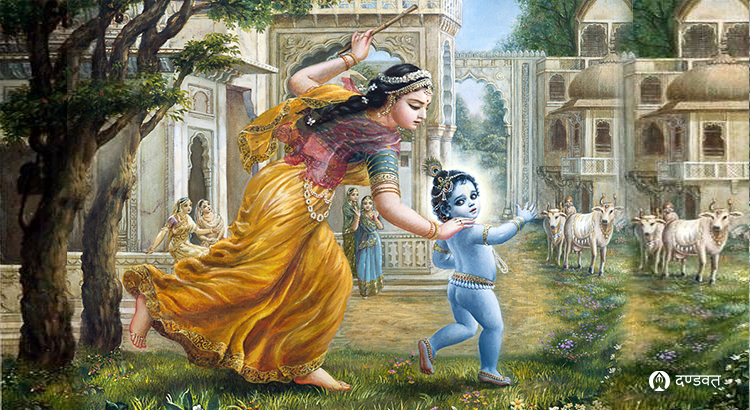
Once upon a time Yashoda Maiya were fed with the complaints of Lord Krishna and she ran behind the lord with a stick. When the Lord saw her in anger, Prabhu ran to his rescue.
LeelaThen prabhu ji came to a Potter(Kumbar), Kumbar was busy making a pitcher of their soil. But as soon Kumbar saw Lord Krishna, he is very to have this opportunity. Kumbar knew that Shree Krishna is the universal god. Then Prabhu ji said to Kumbar “My mother is very angry on me today, Maiya is coming after me with a rod. Brother, let me hide somewhere.”
Then, Kumbar hided the Lord under a big pot. Maiya Yashoda came, there were a few moments and asked Kumbar and said – “Why, Kumbar! You’ve seen Kanhaiya somewhere?” Kumbar has said – “No, Maiya! I have not seen your Kanhaiya.” Lord Krishna were listening all these things hiding under a big pitcher. Maiya then left the room.”
Now, Lord Krishna says to Kumbar ” Kumbar Ji, let me out and lose the pot, I want to get out of this.”
Kumbar said - “No, prabhu ji. The Lord! Please, give me promise. You will set me free from bondage of the 84 Lack Yoonis (Births)”
Prabhu Ji smiled and said – “Well, I promise to get you rid out of 84 Lack Yoonis (Births). Now let me out.”
Kumbar said – “I am not alone, the Lord live! for all of people in my family, give me promise to free them from the bondage of 84 Lack Yoonis (Births). Then, I will let you out.”
Prabhu Ji says – “Okay, let them be free from the bondage of the 84 Lack Yoonis (Births) and species I promise. Now let me out of the pitcher.”
Kumbar now says – “Just, sovereign live! This is a last request. Please fulfil this one, then I’ll let you out of the pitcher.”
Prabhu Ji said – “tell, What you want to say?”
Kumbar said – “The Lord! The bottom of the pitcher you’re hiding, My bulls have loaded the soil for this pot. Please, eighty-four of these bulls are also free from the bondage of the promise.”
Prabhu Ji’s - “love for Kumbar delighted. God also full filed his promise to put these bulls free from the bondage of 84 Lack Yoonis (Births).”
Lord said – “Now all your wish has come true, now let me out of the pitcher.”
Kumbar then says – “Not now, Lord! Just the desire and a final. Please complete it and that’s it. The dialogue between us, the creature hearing this or remembering this leela. Please put them free from the bondage of 84 Lack Yoonis (Births). Just give the word , I ‘ll let you out of the pitcher.”
After listening to the words of Kumbar. The loving Lord Krishna and was very happy to meet this desire of Kumbar.
Then, finnaly. Kumbar removed the pitcher. He did, sashtang pranam to the Lord. He washed the Shree Charan of Prabhu ji and drank that charanamrit.
Now, Just imagine the look. The Little Shree Krishna, who can take the seven miles tall Govardhana Parvat on his little finger, then why, he could not have a pitcher.”
But not without love Rijhee Natwar Nand Kishore. No matter how to sacrifice, to rituals, how to donate, no matter how to love, but love is not the mere creature of the mind. Without love you can't find the Lord Krishna.
Original Leela
प्रभु श्री कृष्ण ने गोपियों के साथ बहुत-सी लीलायें की हैं। श्री कृष्ण गोपियों की मटकी फोड़ते और माखन चुराते और गोपियाँ श्री कृष्ण का उलाहना लेकर यशोदा मैया के पास जातीं। ऐसा बहुत बार हुआ।
एक बार की बात है कि यशोदा मैया प्रभु श्री कृष्ण के उलाहनों से तंग आ गयीं और छड़ी लेकर श्री कृष्ण की ओर दौड़ी। जब प्रभु ने अपनी मैया को क्रोध में देखा तो वह अपना बचाव करने के लिए भागने लगे।
भागते-भागते श्री कृष्ण एक कुम्भार के पास पहुँचे। कुम्भार तो अपने मिट्टी के घड़े बनाने में व्यस्त था। लेकिन जैसे ही कुम्भार ने श्री कृष्ण को देखा तो वह बहुत प्रसन्न हुआ। कुम्भार जानता था कि श्री कृष्ण साक्षात् परमेश्वर हैं। तब प्रभु ने कुम्भार से कहा कि ‘कुम्भार जी, आज मेरी मैया मुझ पर बहुत क्रोधित है। मैया छड़ी लेकर मेरे पीछे आ रही है। भैया, मुझे कहीं छुपा लो।’
तब कुम्भार ने श्री कृष्ण को एक बडे से मटके के नीचे छिपा दिया। कुछ ही क्षणों में मैया यशोदा भी वहाँ आ गयीं और कुम्भार से पूछने लगी – ‘क्यूँ रे, कुम्भार! तूने मेरे कन्हैया को कहीं देखा है, क्या?’
कुम्भार ने कह दिया – ‘नहीं, मैया! मैंने कन्हैया को नहीं देखा।’ श्री कृष्ण ये सब बातें बडे से घड़े के नीचे छुपकर सुन रहे थे। मैया तो वहाँ से चली गयीं।
अब प्रभु श्री कृष्ण कुम्भार से कहते हैं – ‘कुम्भार जी, यदि मैया चली गयी हो तो मुझे इस घड़े से बाहर निकालो।’
कुम्भार बोला – ‘ऐसे नहीं, प्रभु जी! पहले मुझे चौरासी लाख यानियों के बन्धन से मुक्त करने का वचन दो।’ भगवान मुस्कुराये और कहा – ‘ठीक है, मैं तुम्हें चौरासी लाख योनियों से मुक्त करने का वचन देता हूँ। अब तो मुझे बाहर निकाल दो।’
कुम्भार कहने लगा – ‘मुझे अकेले नहीं, प्रभु जी! मेरे परिवार के सभी लोगों को भी चौरासी लाख योनियों के बन्धन से मुक्त करने का वचन दोगे तो मैं आपको इस घड़े से बाहर निकालूँगा।’
प्रभु जी कहते हैं – ‘चलो ठीक है, उनको भी चौरासी लाख योनियों के बन्धन से मुक्त होने का मैं वचन देता हूँ। अब तो मुझे घड़े से बाहर निकाल दो ।’
अब कुम्भार कहता है – ‘बस, प्रभु जी! एक विनती और है। उसे भी पूरा करने का वचन दे दो तो मैं आपको घड़े से बाहर निकाल दूँगा।’
भगवान बोले – ‘वो भी बता दे, क्या कहना चाहते हो?’
कुम्भार कहने लगा – ‘प्रभु जी! जिस घड़े के नीचे आप छुपे हो, उसकी मिट्टी मेरे बैलों के ऊपर लाद के लायी गयी है। मेरे इन बैलों को भी चौरासी के बन्धन से मुक्त करने का वचन दो।’
भगवान ने कुम्भार के प्रेम पर प्रसन्न होकर उन बैलों को भी चौरासी के बन्धन से मुक्त होने का वचन दिया।’
प्रभु बोले – ‘अब तो तुम्हारी सब इच्छा पूरी हो गयी, अब तो मुझे घड़े से बाहर निकाल दो।’
तब कुम्भार कहता है – ‘अभी नहीं, भगवन! बस, एक अन्तिम इच्छा और है। उसे भी पूरा कर दीजिये और वो ये है – जो भी प्राणी हम दोनों के बीच के इस संवाद को सुनेगा, उसे भी आप चौरासी लाख योनियों के बन्धन से मुक्त करोगे। बस, यह वचन दे दो तो मैं आपको इस घड़े से बाहर निकाल दूँगा।’
कुम्भार की प्रेम भरी बातों को सुन कर प्रभु श्री कृष्ण बहुत खुश हुए और कुम्भार की इस इच्छा को भी पूरा करने का वचन दिया।
फिर कुम्भार ने बाल श्री कृष्ण को घड़े से बाहर निकाल दिया। उनके चरणों में साष्टांग प्रणाम किया। प्रभु जी के चरण धोये और चरणामृत पीया। अपनी पूरी झोंपड़ी में चरणामृत का छिड़काव किया और प्रभु जी के गले लगकर इतना रोये क़ि प्रभु में ही विलीन हो गये।
जरा सोच करके देखिये, जो बाल श्री कृष्ण सात कोस लम्बे-चौड़े गोवर्धन पर्वत को अपनी इक्क्नी अंगुली पर उठा सकते हैं, तो क्या वो एक घड़ा नहीं उठा सकते थे।
लेकिन बिना प्रेम रीझे नहीं नटवर नन्द किशोर। कोई कितने भी यज्ञ करे, अनुष्ठान करे, कितना भी दान करे, चाहे कितनी भी भक्ति करे, लेकिन जब तक मन में प्राणी मात्र के लिए प्रेम नहीं होगा, प्रभु श्री कृष्ण मिल नहीं सकते।
।। हरी व्यापक सर्वत्र समाना ।।
।। प्रेम से प्रकट होई मैं जाना ।।
‘मोहन प्रेम बिना नहीं मिलता, चाहे कोई कर ल्यो कोटि उपाय।’
करोड़ों उपाय भी चाहे कोई कर लो तो प्रभु को प्रेम के बिना कोई पा नहीं सकता।
🙏 जय श्री कृष्ण जी 🙏
As all of us know. Lord Krishna did numbers of Leelayen with the Gopis. Krishna steal butter churn from Gopiya and Gopiya do complaint with Maiya Yasodha. It has happened many times. Still Lord Krishna continue in his way.
Once upon a time Yashoda Maiya were fed with the complaints of Lord Krishna and she ran behind the lord with a stick. When the Lord saw her in anger, Prabhu ran to his rescue.
LeelaThen prabhu ji came to a Potter(Kumbar), Kumbar was busy making a pitcher of their soil. But as soon Kumbar saw Lord Krishna, he is very to have this opportunity. Kumbar knew that Shree Krishna is the universal god. Then Prabhu ji said to Kumbar “My mother is very angry on me today, Maiya is coming after me with a rod. Brother, let me hide somewhere.”
Then, Kumbar hided the Lord under a big pot. Maiya Yashoda came, there were a few moments and asked Kumbar and said – “Why, Kumbar! You’ve seen Kanhaiya somewhere?” Kumbar has said – “No, Maiya! I have not seen your Kanhaiya.” Lord Krishna were listening all these things hiding under a big pitcher. Maiya then left the room.”
Now, Lord Krishna says to Kumbar ” Kumbar Ji, let me out and lose the pot, I want to get out of this.”
Kumbar said - “No, prabhu ji. The Lord! Please, give me promise. You will set me free from bondage of the 84 Lack Yoonis (Births)”
Prabhu Ji smiled and said – “Well, I promise to get you rid out of 84 Lack Yoonis (Births). Now let me out.”
Kumbar said – “I am not alone, the Lord live! for all of people in my family, give me promise to free them from the bondage of 84 Lack Yoonis (Births). Then, I will let you out.”
Prabhu Ji says – “Okay, let them be free from the bondage of the 84 Lack Yoonis (Births) and species I promise. Now let me out of the pitcher.”
Kumbar now says – “Just, sovereign live! This is a last request. Please fulfil this one, then I’ll let you out of the pitcher.”
Prabhu Ji said – “tell, What you want to say?”
Kumbar said – “The Lord! The bottom of the pitcher you’re hiding, My bulls have loaded the soil for this pot. Please, eighty-four of these bulls are also free from the bondage of the promise.”
Prabhu Ji’s - “love for Kumbar delighted. God also full filed his promise to put these bulls free from the bondage of 84 Lack Yoonis (Births).”
Lord said – “Now all your wish has come true, now let me out of the pitcher.”
Kumbar then says – “Not now, Lord! Just the desire and a final. Please complete it and that’s it. The dialogue between us, the creature hearing this or remembering this leela. Please put them free from the bondage of 84 Lack Yoonis (Births). Just give the word , I ‘ll let you out of the pitcher.”
After listening to the words of Kumbar. The loving Lord Krishna and was very happy to meet this desire of Kumbar.
Then, finnaly. Kumbar removed the pitcher. He did, sashtang pranam to the Lord. He washed the Shree Charan of Prabhu ji and drank that charanamrit.
Now, Just imagine the look. The Little Shree Krishna, who can take the seven miles tall Govardhana Parvat on his little finger, then why, he could not have a pitcher.”
But not without love Rijhee Natwar Nand Kishore. No matter how to sacrifice, to rituals, how to donate, no matter how to love, but love is not the mere creature of the mind. Without love you can't find the Lord Krishna.
Original Leela
प्रभु श्री कृष्ण ने गोपियों के साथ बहुत-सी लीलायें की हैं। श्री कृष्ण गोपियों की मटकी फोड़ते और माखन चुराते और गोपियाँ श्री कृष्ण का उलाहना लेकर यशोदा मैया के पास जातीं। ऐसा बहुत बार हुआ।
एक बार की बात है कि यशोदा मैया प्रभु श्री कृष्ण के उलाहनों से तंग आ गयीं और छड़ी लेकर श्री कृष्ण की ओर दौड़ी। जब प्रभु ने अपनी मैया को क्रोध में देखा तो वह अपना बचाव करने के लिए भागने लगे।
भागते-भागते श्री कृष्ण एक कुम्भार के पास पहुँचे। कुम्भार तो अपने मिट्टी के घड़े बनाने में व्यस्त था। लेकिन जैसे ही कुम्भार ने श्री कृष्ण को देखा तो वह बहुत प्रसन्न हुआ। कुम्भार जानता था कि श्री कृष्ण साक्षात् परमेश्वर हैं। तब प्रभु ने कुम्भार से कहा कि ‘कुम्भार जी, आज मेरी मैया मुझ पर बहुत क्रोधित है। मैया छड़ी लेकर मेरे पीछे आ रही है। भैया, मुझे कहीं छुपा लो।’
तब कुम्भार ने श्री कृष्ण को एक बडे से मटके के नीचे छिपा दिया। कुछ ही क्षणों में मैया यशोदा भी वहाँ आ गयीं और कुम्भार से पूछने लगी – ‘क्यूँ रे, कुम्भार! तूने मेरे कन्हैया को कहीं देखा है, क्या?’
कुम्भार ने कह दिया – ‘नहीं, मैया! मैंने कन्हैया को नहीं देखा।’ श्री कृष्ण ये सब बातें बडे से घड़े के नीचे छुपकर सुन रहे थे। मैया तो वहाँ से चली गयीं।
अब प्रभु श्री कृष्ण कुम्भार से कहते हैं – ‘कुम्भार जी, यदि मैया चली गयी हो तो मुझे इस घड़े से बाहर निकालो।’
कुम्भार बोला – ‘ऐसे नहीं, प्रभु जी! पहले मुझे चौरासी लाख यानियों के बन्धन से मुक्त करने का वचन दो।’ भगवान मुस्कुराये और कहा – ‘ठीक है, मैं तुम्हें चौरासी लाख योनियों से मुक्त करने का वचन देता हूँ। अब तो मुझे बाहर निकाल दो।’
कुम्भार कहने लगा – ‘मुझे अकेले नहीं, प्रभु जी! मेरे परिवार के सभी लोगों को भी चौरासी लाख योनियों के बन्धन से मुक्त करने का वचन दोगे तो मैं आपको इस घड़े से बाहर निकालूँगा।’
प्रभु जी कहते हैं – ‘चलो ठीक है, उनको भी चौरासी लाख योनियों के बन्धन से मुक्त होने का मैं वचन देता हूँ। अब तो मुझे घड़े से बाहर निकाल दो ।’
अब कुम्भार कहता है – ‘बस, प्रभु जी! एक विनती और है। उसे भी पूरा करने का वचन दे दो तो मैं आपको घड़े से बाहर निकाल दूँगा।’
भगवान बोले – ‘वो भी बता दे, क्या कहना चाहते हो?’
कुम्भार कहने लगा – ‘प्रभु जी! जिस घड़े के नीचे आप छुपे हो, उसकी मिट्टी मेरे बैलों के ऊपर लाद के लायी गयी है। मेरे इन बैलों को भी चौरासी के बन्धन से मुक्त करने का वचन दो।’
भगवान ने कुम्भार के प्रेम पर प्रसन्न होकर उन बैलों को भी चौरासी के बन्धन से मुक्त होने का वचन दिया।’
प्रभु बोले – ‘अब तो तुम्हारी सब इच्छा पूरी हो गयी, अब तो मुझे घड़े से बाहर निकाल दो।’
तब कुम्भार कहता है – ‘अभी नहीं, भगवन! बस, एक अन्तिम इच्छा और है। उसे भी पूरा कर दीजिये और वो ये है – जो भी प्राणी हम दोनों के बीच के इस संवाद को सुनेगा, उसे भी आप चौरासी लाख योनियों के बन्धन से मुक्त करोगे। बस, यह वचन दे दो तो मैं आपको इस घड़े से बाहर निकाल दूँगा।’
कुम्भार की प्रेम भरी बातों को सुन कर प्रभु श्री कृष्ण बहुत खुश हुए और कुम्भार की इस इच्छा को भी पूरा करने का वचन दिया।
फिर कुम्भार ने बाल श्री कृष्ण को घड़े से बाहर निकाल दिया। उनके चरणों में साष्टांग प्रणाम किया। प्रभु जी के चरण धोये और चरणामृत पीया। अपनी पूरी झोंपड़ी में चरणामृत का छिड़काव किया और प्रभु जी के गले लगकर इतना रोये क़ि प्रभु में ही विलीन हो गये।
जरा सोच करके देखिये, जो बाल श्री कृष्ण सात कोस लम्बे-चौड़े गोवर्धन पर्वत को अपनी इक्क्नी अंगुली पर उठा सकते हैं, तो क्या वो एक घड़ा नहीं उठा सकते थे।
लेकिन बिना प्रेम रीझे नहीं नटवर नन्द किशोर। कोई कितने भी यज्ञ करे, अनुष्ठान करे, कितना भी दान करे, चाहे कितनी भी भक्ति करे, लेकिन जब तक मन में प्राणी मात्र के लिए प्रेम नहीं होगा, प्रभु श्री कृष्ण मिल नहीं सकते।
।। हरी व्यापक सर्वत्र समाना ।।
।। प्रेम से प्रकट होई मैं जाना ।।
‘मोहन प्रेम बिना नहीं मिलता, चाहे कोई कर ल्यो कोटि उपाय।’
करोड़ों उपाय भी चाहे कोई कर लो तो प्रभु को प्रेम के बिना कोई पा नहीं सकता।
🙏 जय श्री कृष्ण जी 🙏